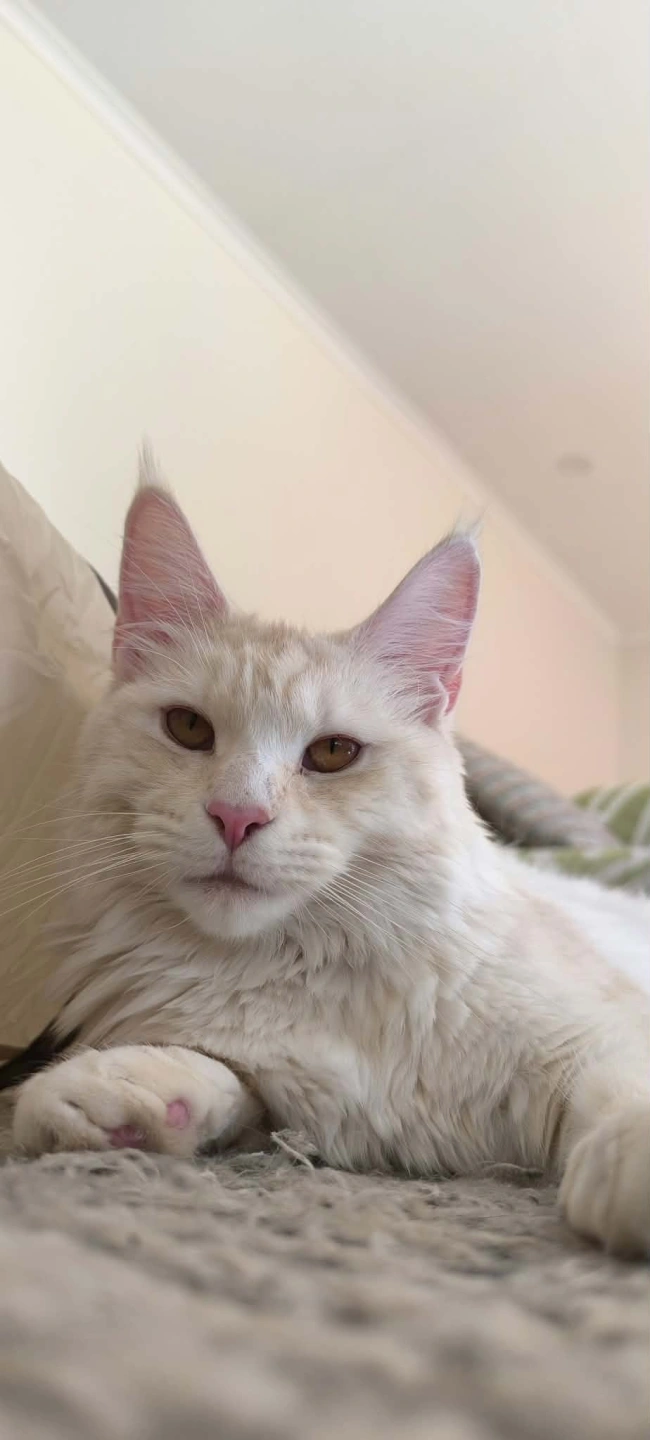
Welcome to Edora Maine Coons
About us
Hi, my name is Erin and along with my husband and young kids, I care for the cats and kittens you see on this page. Based in Hobart, Tasmania, we show and breed pedigree Maine Coons. We are registered with ANCATS and are committed to slow, ethical breeding and place our cats' welfare at the centre of everything we do.
Edora Maine Coons is a hobby, but outside of enjoying our family of humans and cats, I work in the field of environmental education. My career with animals started twenty odd years ago when I studied a Bachelor of Animal Science. This degree gave me a good grounding of knowledge in human-animal interactions, animal reproduction, vertebrate biodiversity, and a variety of other animal-related subject areas. Since completing my degree, I have worked in a mix of environmental education and zookeeping roles and have been lucky enough to work with a wide range of species from exotics (including the African Serval) to native mammals, reptiles, fish and invertebrates. I have previous experience with animal breeding programs, mostly concerned with breeding koalas. Native animals are my passion, so I'm a strong advocate for responsible pet ownership and keeping all cats indoors or confined when outdoors.
Within my work roles there has been a strong focus on animal training and conditioning. I have attended conferences in this area and have even won an award for my training program for a spotted-tailed quoll. I put a lot of work into early socialisation of kittens and am happy to support new kitten owners with other areas of training and conditioning.
I believe that our pets can bring a joy to our lives that words cannot easily define. I have experienced this joy since I was a child and for this reason, am thrilled to be in a position to share that joy with other families by helping them to find and prepare for the new family addition.
Queens and Studs
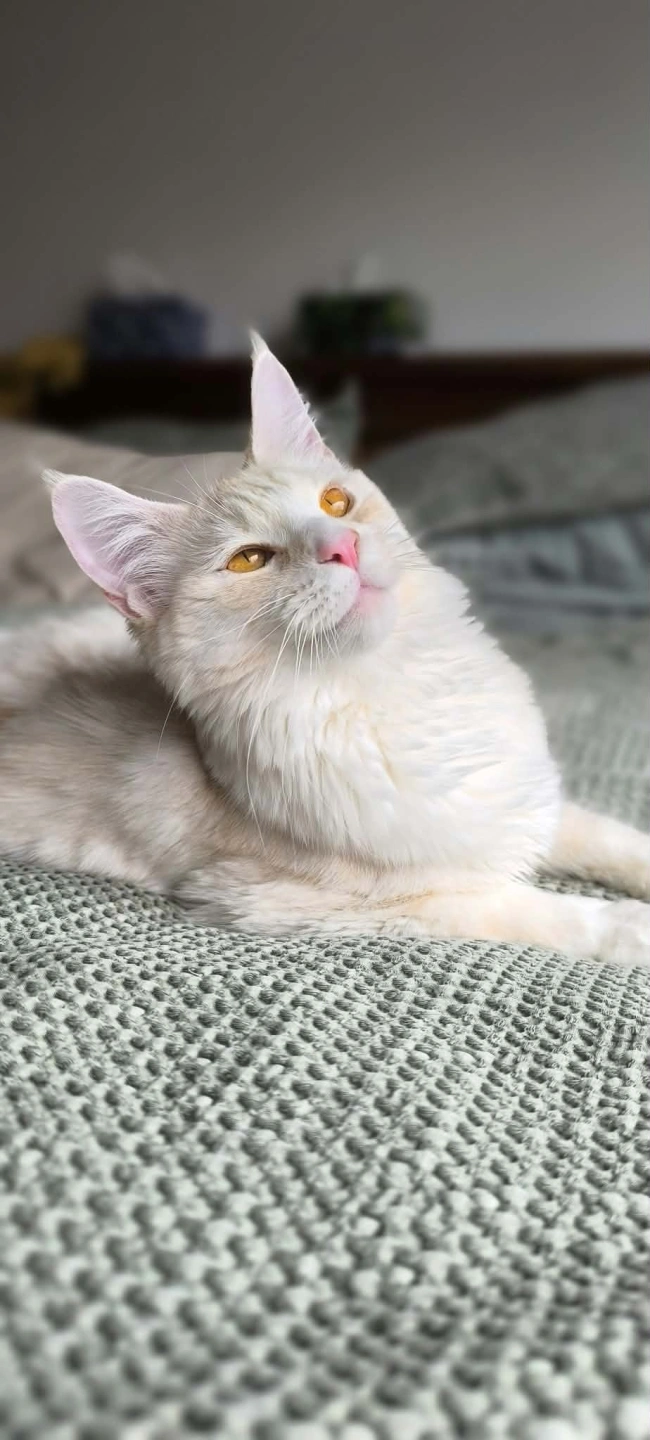
Queen: Anjayma Just a Vibe
Anjayma Just a Vibe, aka 'Aura', is our beautiful founder queen. Aura comes from Anjayma Maine Coons in Victoria, and we are indebted to Angela for entrusting her with us, and for all of the patient support and guidance she has given along the way.
Aura is a sweet girl with the most loving temperament (whoever said Maine Coon girls aren’t as friendly as the boys obviously has not met Aura!). She sleeps in the bed with us and likes a good long cuddle before the lights go out. As far as temperament goes, I don’t think it gets any better than this girl.
Coat colour/pattern: Red Silver Tabby
Sire: Anjayma Whitepaw
Dam: Anjayma Just a Diva
DoB: 14-08-26
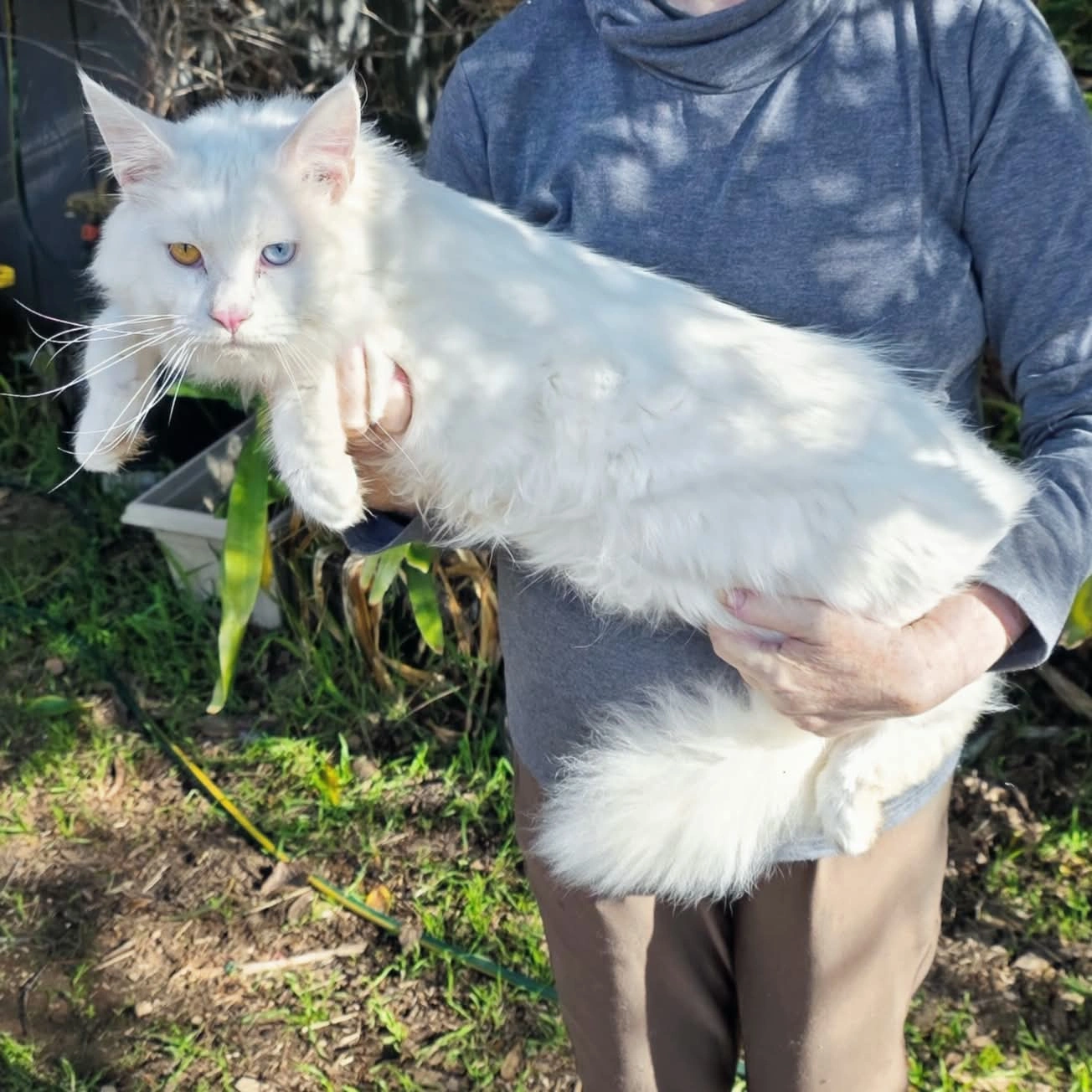
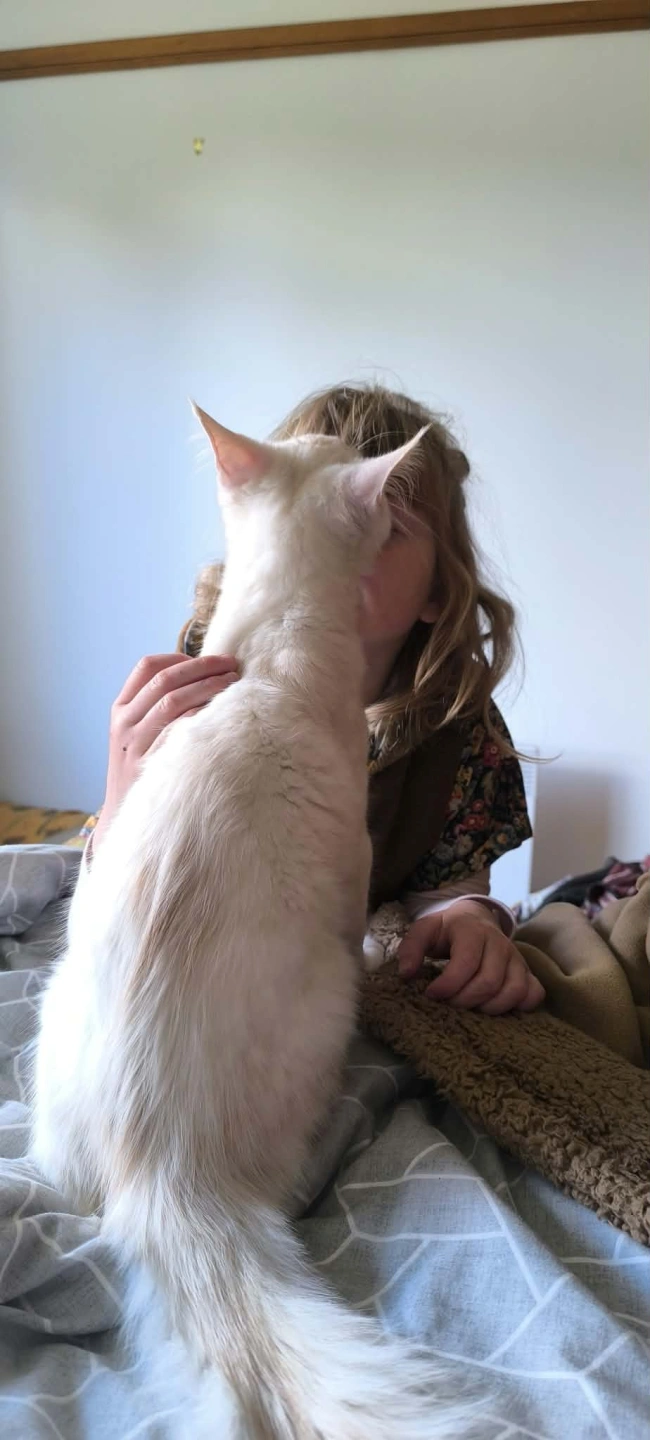
Stud: Anjayma Freeze Frame
Anjayma Freeze Frame, aka 'Freezie' is the sire of our current litter. This stunning lad is owned by Angela Watson at Anjayma Maine Coons in Victoria. Freezie's striking appearance is made even more impressive by his odd-coloured eyes (heterchromia). A massive thank you to Angela for allowing us to pair Aura with Freezie - his genetics will no doubt contribute greatly to our breeding program.
Coat colour/pattern: Solid white
Sire: Anjayma Ice Ice Baby
Dam: Grand Ch Kasabrook Foxy Lady Of Anjayma [Imp NZ]
DoB: 08-01-24
Health and Welfare
Our cats are DNA tested for:
Hypertrophic Cardiomyopathy (HCM)
Polycystic Kidney Disease (PKD)
Progressive Retinal Atrophy
Pyruvate Kinase Deficiency
Spinal Muscular Atrophy
Breeding cats get an annual veterinary health check prior to mating to determine if they are in good health for breeding and that they have a suitable BCS (body condition score).
Kittens get vet checked at their first and second vaccination appointments and then receive a full vet check after desexing, prior to when they leave us for their new homes.
In our Kitten Packs, we provide a Veterinary Certificate and a Health Guarantee. We also include four weeks of pet insurance with Knose.
Socialisation and Training
For the past 20 or so years I have worked in a mix of zookeeping and environmental education roles and my career has had a strong focus on animal training and conditioning within these roles. I have been lucky enough to work on training programs for a variety of species, from exotic species to Australian natives such as quolls, Tassie devils, Whistling kites, magpie geese and more. As I have experience and a strong interest in the area of animal training, making this a focus in our cats and kittens is important to me: I want our kittens to be confident and well-adjusted by the time they leave us for their new homes. We use evidence-based methods to desensitize and gently acclimate the kittens to the sights and sounds of everyday life.
What's so important about the start?
For the most important part of its life, the first twelve or so weeks, the kitten will live with us. The reason this is such a big responsibility is because during this time, the kitten goes through what's called the 'Critical Socialisation Window' (there's technically two during this time; the Primary Window, 2-7 weeks, and the Secondary Window, 8-16 weeks).
Read on for more information about how we manage the Critical Socialisation Window.
What does 'socialisation' even mean?
Think of the word 'socialisation' not as in 'socialising with other animals' or 'being social'; think of it instead as 'socialising with all of the parts of life with which I need to be able to cope'. Being able to cope with everyday stimuli without a fear response is the crux of what 'socialisation' is.
Using evidence-based methods, we gradually expose our kittens to stimuli in a sequential and thought-out way. This method slowly builds confidence in our kittens, helps prevent fear-based behaviours from occurring when they are adults, and helps to ensure they are well-adapted and ready by the time they go to their homes.
Birth - Two Weeks
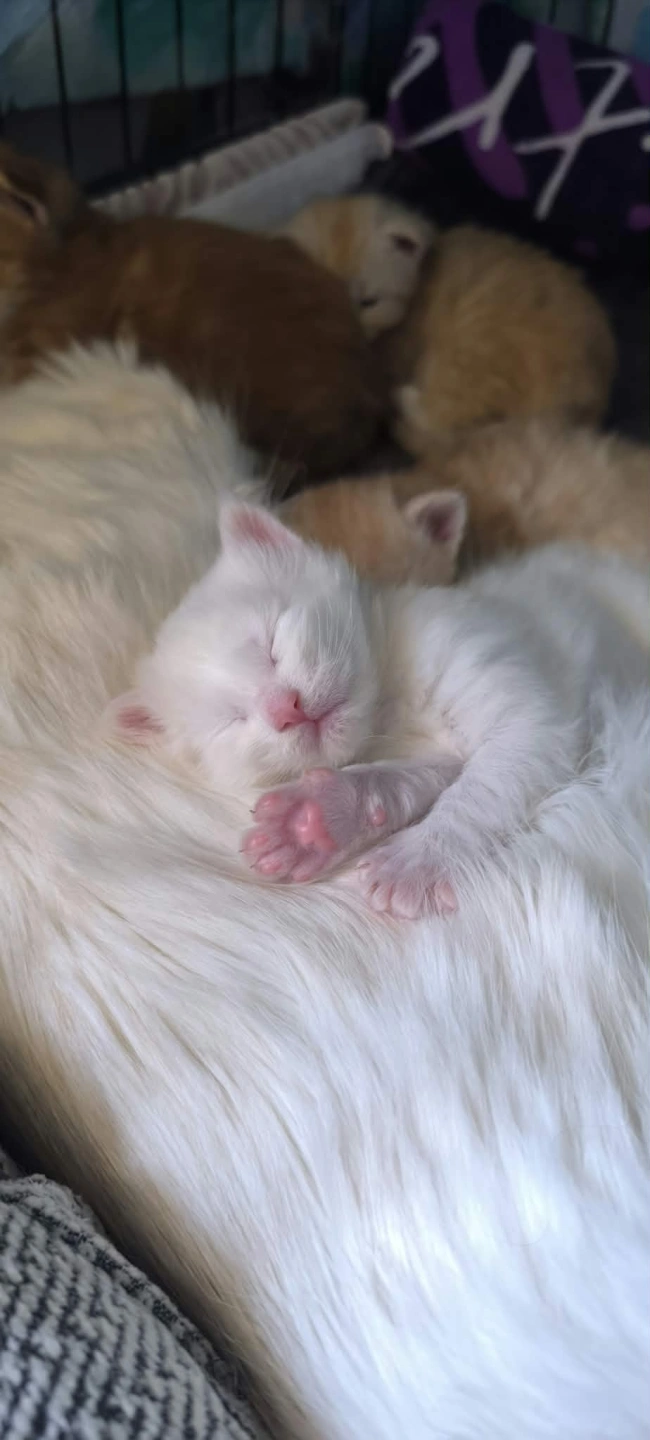
Kittens are born in our room and stay there for the first two weeks so we can monitor them closely and keep the queen stress-free. This period is all about nurturing the mother-baby bond so that lactation can proceed without interruption. The room is kept dark and quiet and the queen spends most of her time lying with her bubs and feeding and/or cleaning them. Aside from a daily weighing of the bubs to ensure weight gain is steady, handling is generally kept to a minimum.
Primary Socialisation Window (2 - 7 weeks old)
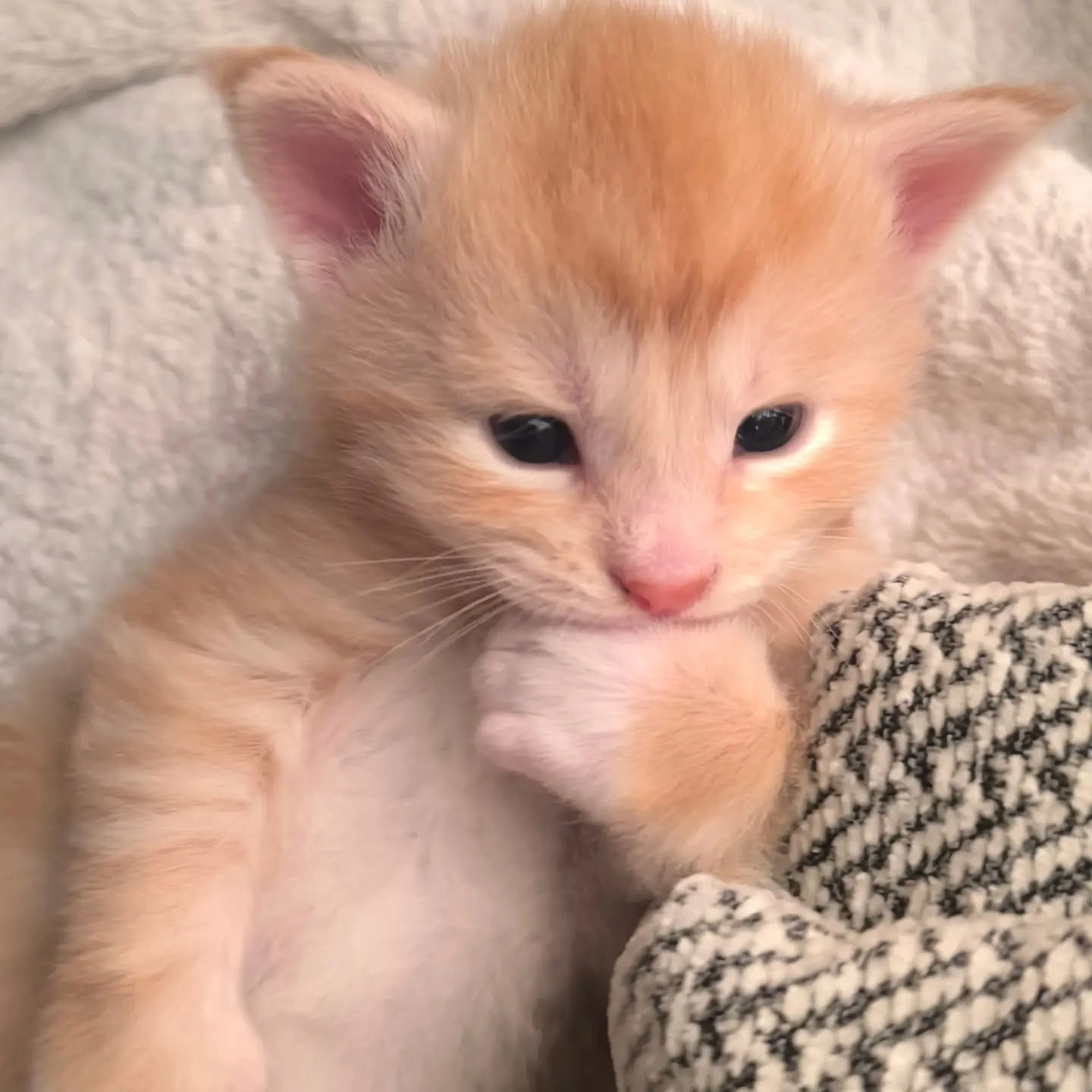
Between two and seven weeks of age, kittens go through a critical sensitive period where they are particularly primed to accept and explore novel stimuli. Sometimes called the 'golden window', this is when kittens naturally learn what is safe and normal.
From two - three weeks of age, the kittens are moved from our room out into the lounge room. This is so they are able to start experiencing all of the sights, sounds, and smells of a busy household.
During the Primary Socialisation Window we focus on:
short intervals of handling
everyday sounds (once the kittens have been in the lounge room for a few days, we don't hold back on any of the sounds: vacuum cleaners, the kitchen blender, loud disputes between the children over a stuffed toy, and so on)touch desensitisation (gentle touching of feet, tails, ears, bellies, etc.)
lap sleeping
encouraging the beginnings of play (introduction of novel toys to explore, both with litter-mates and with humans)
short visits to other rooms of the house to explore new stimuli
short crate training sessions with high rewards
short trips in the car
soft introduction to our pet dog
Our two children are allowed to sit and hold the kittens (under supervision) once they are three weeks or older so the kittens can start getting used to kids.
When the kittens reach five weeks old, we begin crate training. This involves pairing a previously neutral stimulus (the crate) with a reinforcer (in this case, a high value food item). In this way, the kittens come to love the crate while still young which will make future car trips much easier and more enjoyable.
Secondary Socialisation Window (8 - 16 weeks)
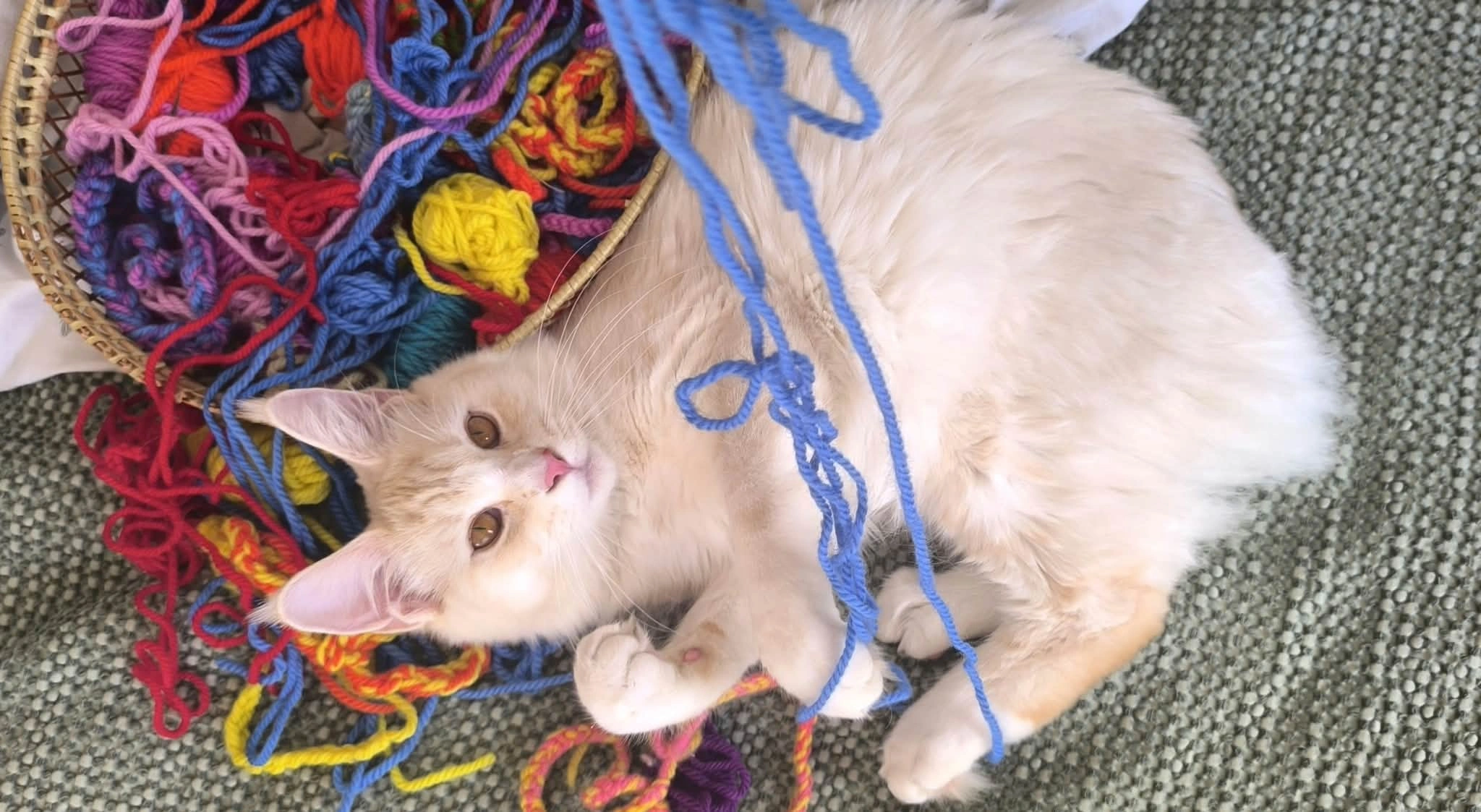
After the Primary Window has closed, kittens naturally become more cautious and wary of unknown things. This window is also important but exposure to some stimuli needs to be done with more care to avoid a fear response.
During the Secondary Socialisation Window we focus on:
visiting areas outside of the house
continuing to create a positive association with the crate
longer and more frequent trips in the car
consistently walking away if play becomes too rough
more time spent with our dog
short visits to the outdoor enclosure (to see birds, hear cars, hear the bin truck and the postie bike, etc).
introduction to more people (of different ages)
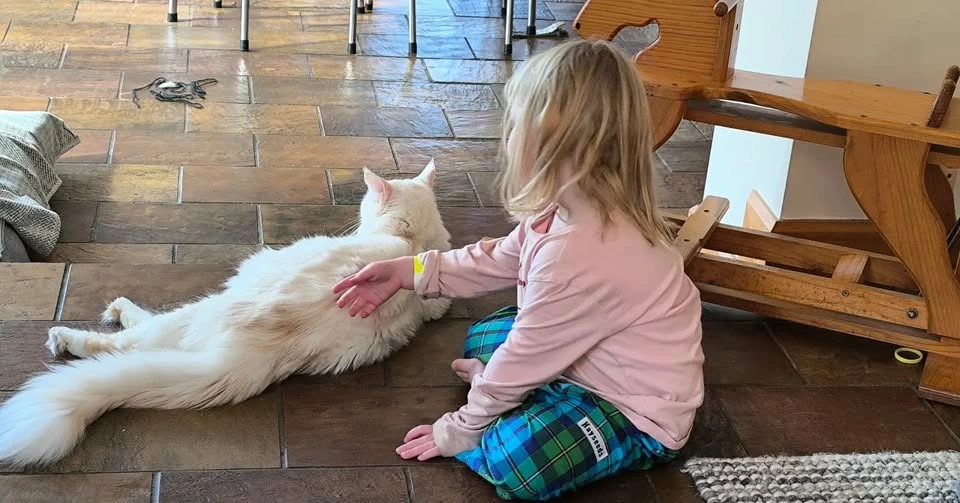
Cats and young kids: How do we set up mutually respectful relationships from the very beginning?
Cats and Young Kids: How do we set up mutually respectful relationships?
Ensuring your cat/s and young kid/s have a good relationship relies on you, the adult, setting them up for success. Remember, ALL interactions are reinforcing, one way or another. This means that every single interaction leads your cat further down the path of either "these half humans are kind of cool and fun", or "these small demons are out to get me and I am certainly going to get poked in the ear or have my tail pulled if they come close".
How do we manage these interactions in our home, with small children? In our home, we do the following....
1. Interactions are always supervised:
When children are very small, this is so important and it is for the safety of the cat as much as the child.
2. We teach our children about animal behaviour:
Flight zones, acceptable touch, behavioural cues etc. are explained in age-appropriate language.
3. Hands are for pats but not for play:
Hands are never on offer when a cat is in a frisky, playful mood. Cat toys and props are used instead so the cat never learns to associate hands with play behaviours. Hands can be used for calm interactions like patting and cuddles.
4. Non-verbal communication is key:
We explain to the kids that as animals cannot speak, they will communicate in the only way they know how; with their bodies. If the cat is moving away, that means she is speaking to you with her body. With time and guidance, the child slowly learns to listen.
4. Respect goes both ways:
In the same way that the child must learn to respect the animal's boundaries, the cat too must learn what is and is not acceptable behaviour. This is easiest to do when you start with a small kitten and remain consistent in your approach. Beware that what looks like playful, fun nibbling in a cute, 12 week-old kitten, can easily become a fully grown (and somewhat powerful) Maine Coon that doesn't understand why chewing on hands is no longer part of the game.
5. Interactions that are not respectful are terminated before they escalate:
This one speaks for itself. Remember that all interactions are reinforcing, one way or another. End the play by leaving the room and both parties will quickly learn.
Remember: all interactions are reinforcing in one way or another. Consistency is KEY.
By following these simple guidelines, you will set yourself on the path for success so your kids and cats can coexist peacefully with mutual respect and boundaries.
Kitten Adoption
We occasionally have kittens available to approved homes. Our kittens cost $3000 (a $300 deposit is paid to reserve a kitten, and then the remaining $2700 is to be paid before taking your kitten home).
Your kitten will come:
twice vaccinated
desexed with certificate
microchipped with registration transferred into your name
wormed and litter trained
well socialised
with ANCATS pedigree tracing their lineage
with 4 weeks of pet insurance with Knose
with a veterinary check and Health Certificate prior to leaving us
with a Kitten Contract and Edora Maine Coons Health Guarantee
with ongoing breeder support including support with training and conditioning as your kitten grows
with a Kitten Pack including relevant information and documentation for your new family member
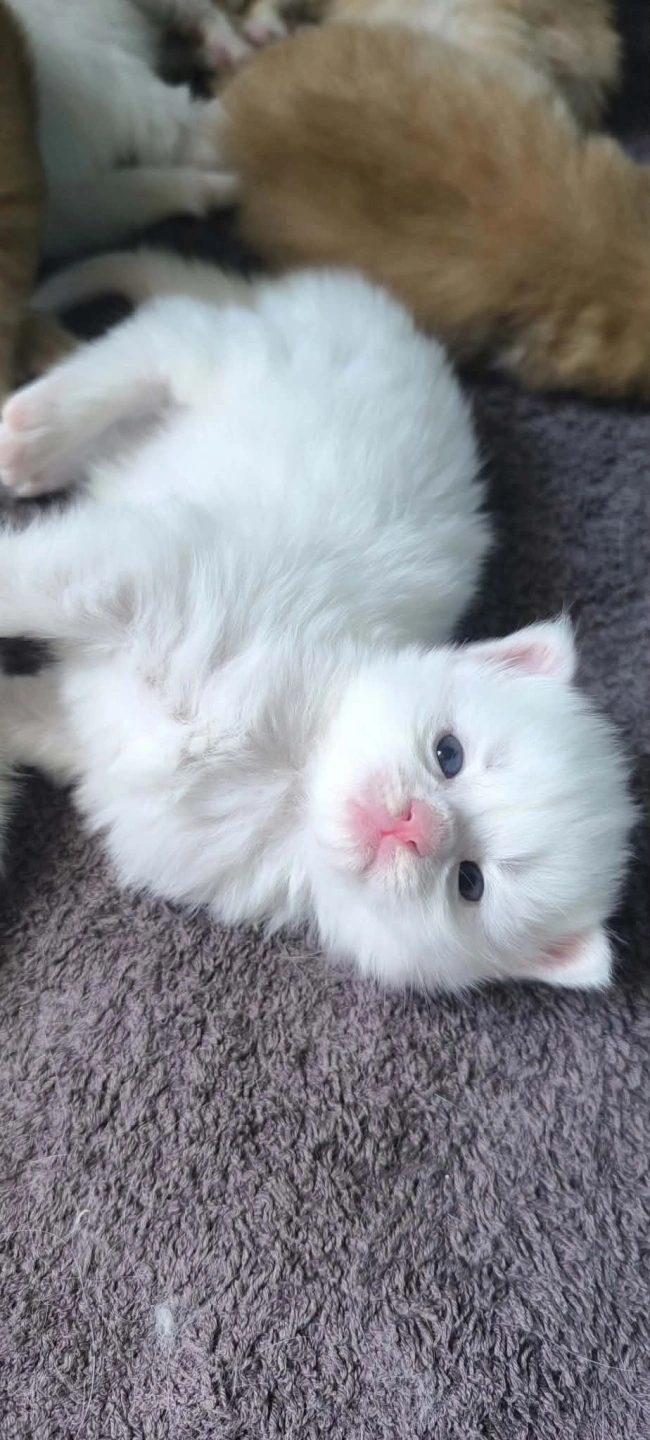
Step 1: Kitten Application Form
We do not keep a waiting list as people's circumstances are ever-changing. Instead, if we have a litter born, we will announce it on our social media once the kittens are a few weeks old. When we are taking Expressions of Interest, you can click on the Kitten Application Form on our website. Based on the responses we receive, we will make decisions about which families can offer our babies the best homes. All applicants are responded to and those who are approved will move to the next stage in the adoption process.
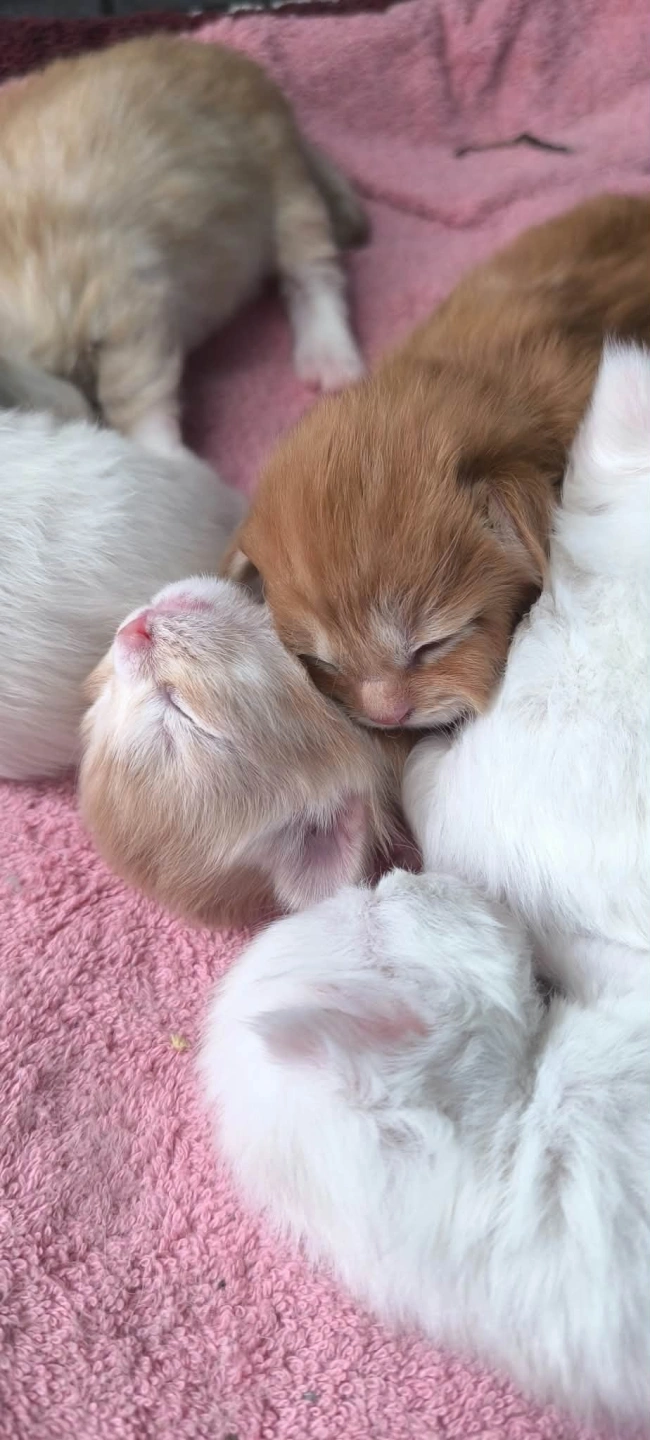
Step 2: Kitten Contract
Approved applicants will be asked to pay a non-refundable deposit of $300 and will be sent the Kitten Contract to read through and sign. The Kitten Contract lets you know your rights, my rights, and gives information about our Health Guarantee (as outlined by ANCATS, which whom we are registered).
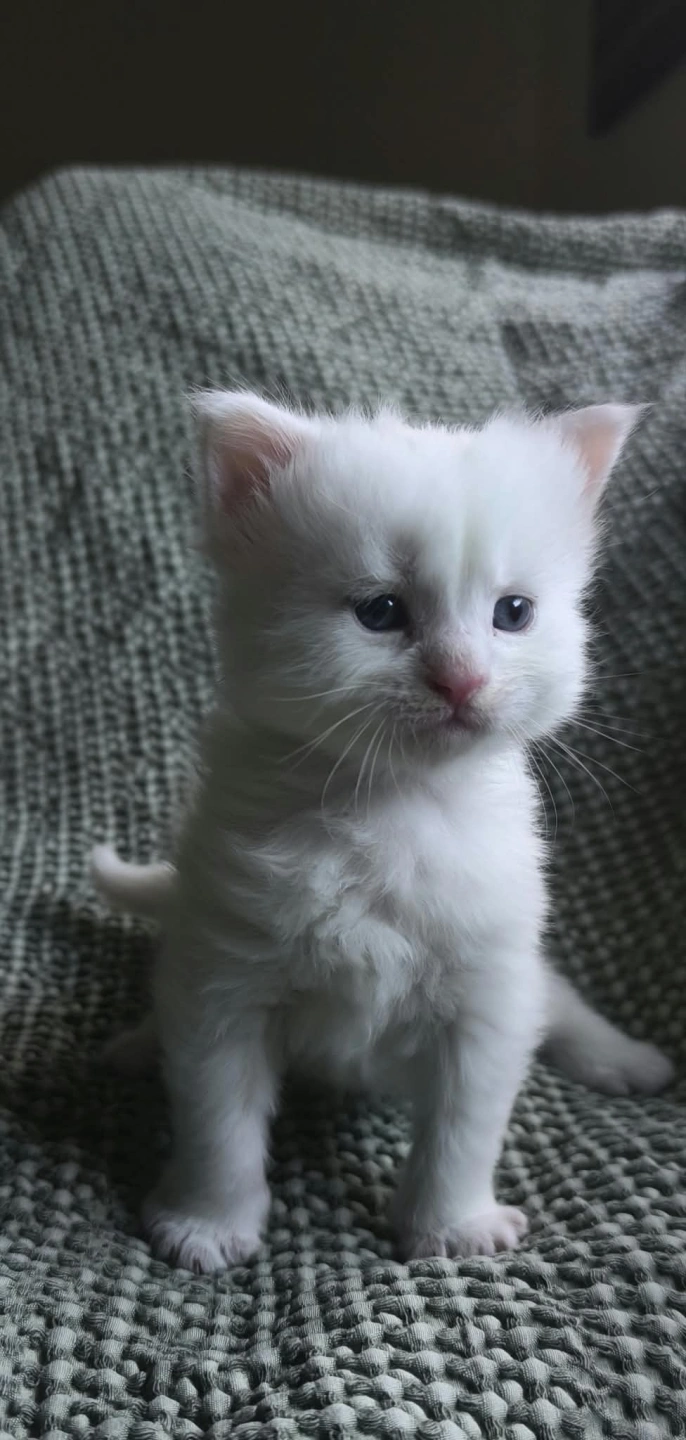
Step 3: Watch your baby grow
Once we together decide on your kitten (in consideration of both your colour/pattern preferences and the temperament that would best suit your family), I will send you regular updates with photos and videos. Tassie locals are welcome to come and meet their kitten at our place when he/she is 8/9 weeks of age (one week after vaccination).
Step 4: Some final lessons with Mum before your kitten comes home
The kitten will stay with Mum until he/she is 12 weeks of age, desexed, and given a health check and certificate by our vet. This is essential learning time with Mum but in addition, we will also be putting a lot of work during this time into socialising your kitten so that he/she is well-rounded and ready for the new home come twelve weeks of age. Then we arrange a suitable day and time for you to take your kitten home. You will need to have a carrier ready and set aside around an hour so we can sit down and run through some important points about adjusting your kitten to the new surroundings and family.
Current Litter
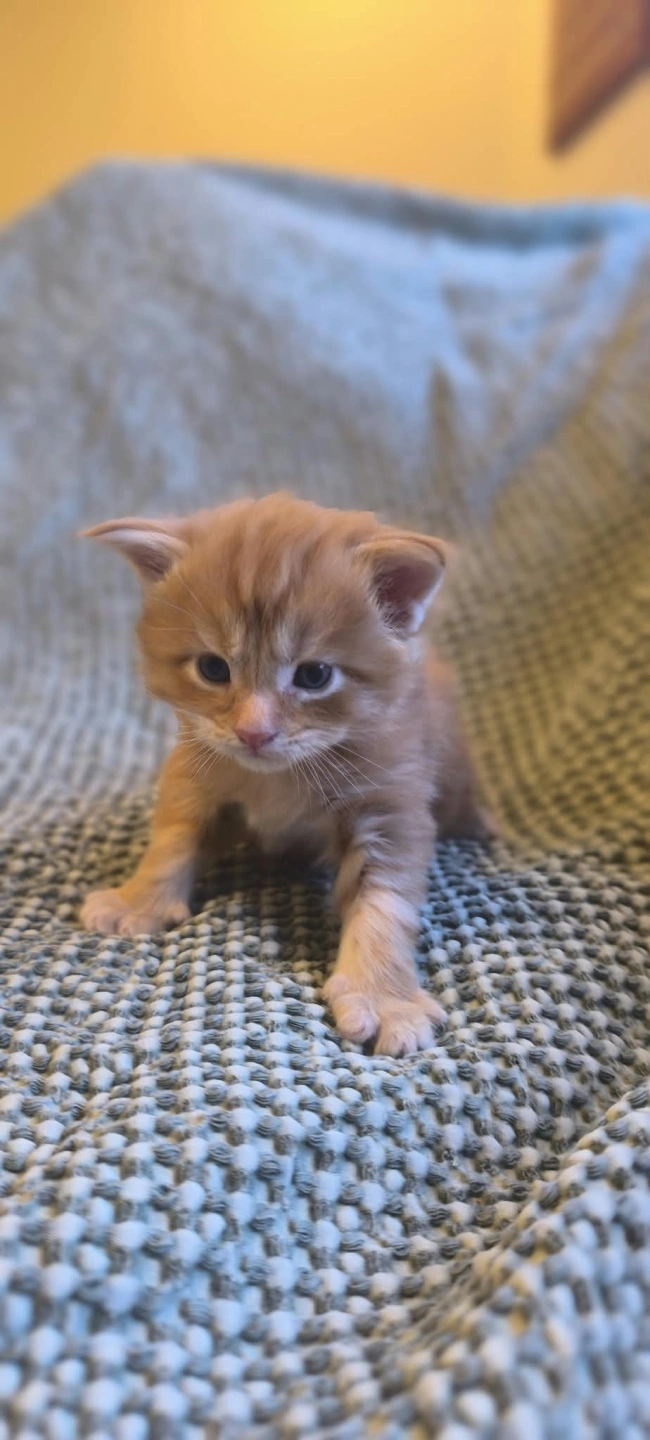
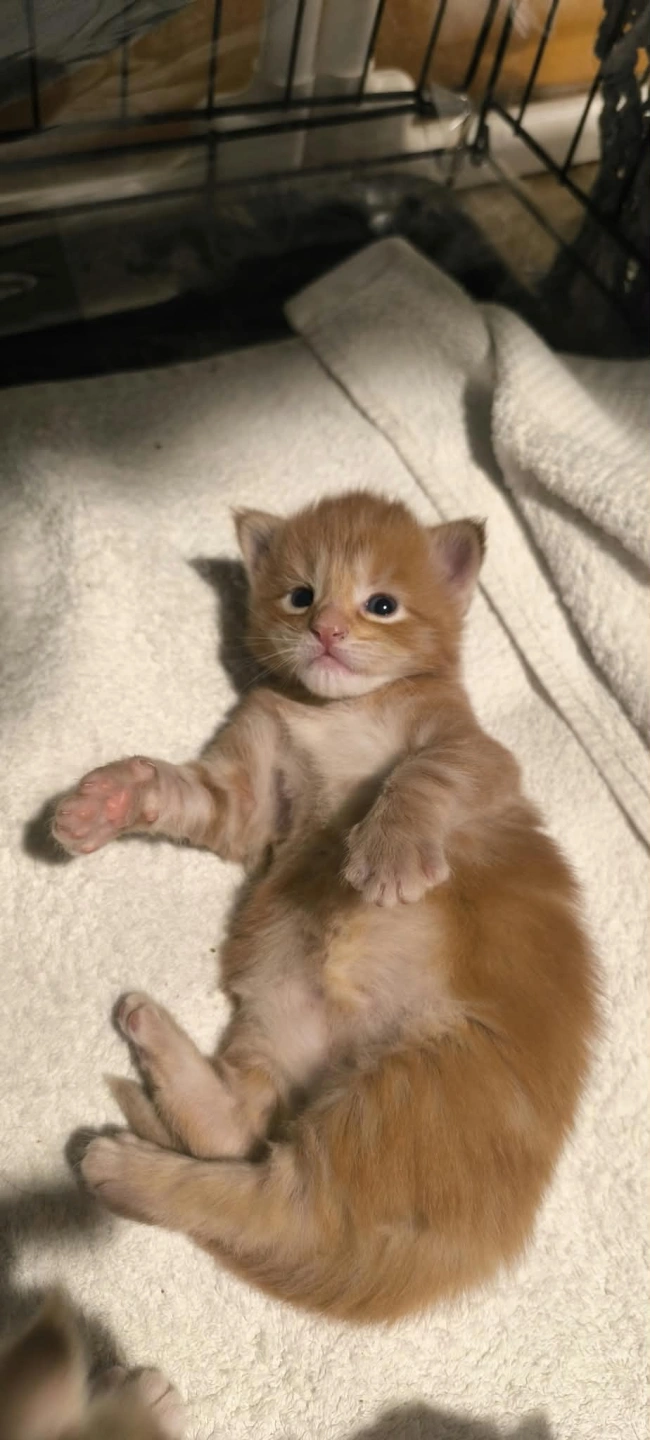
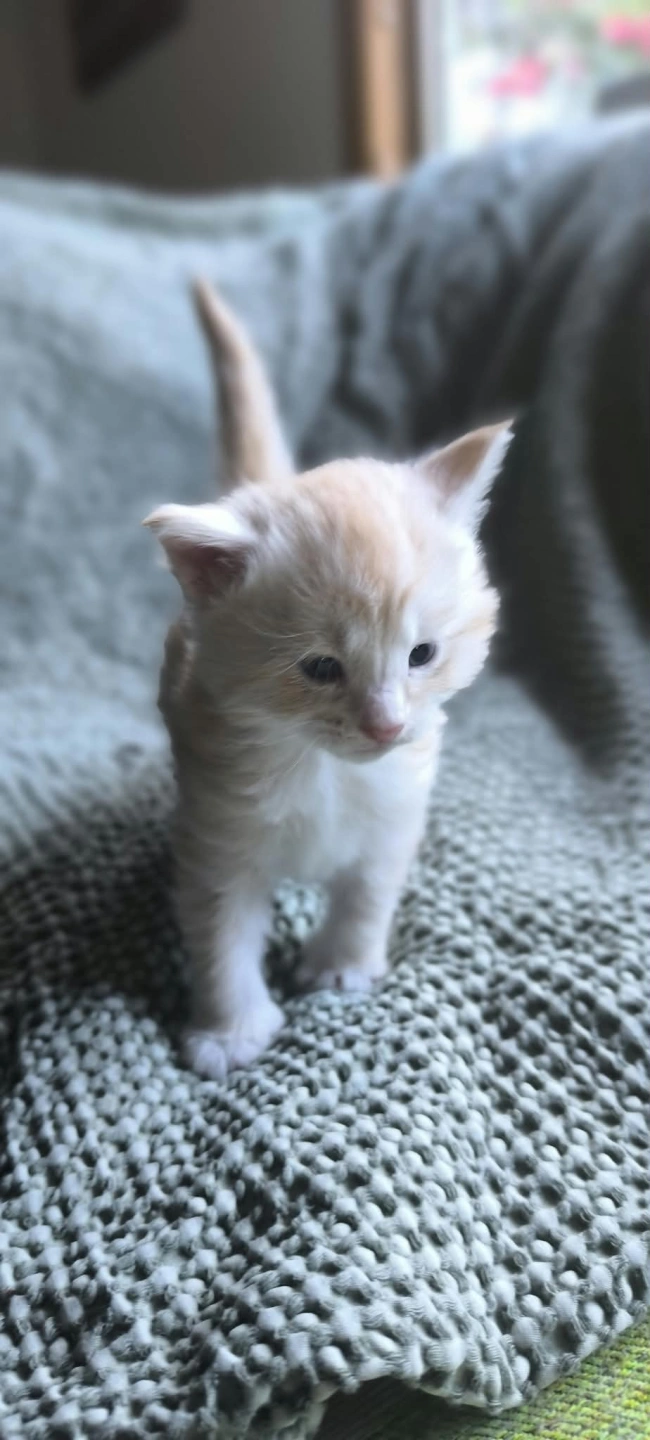
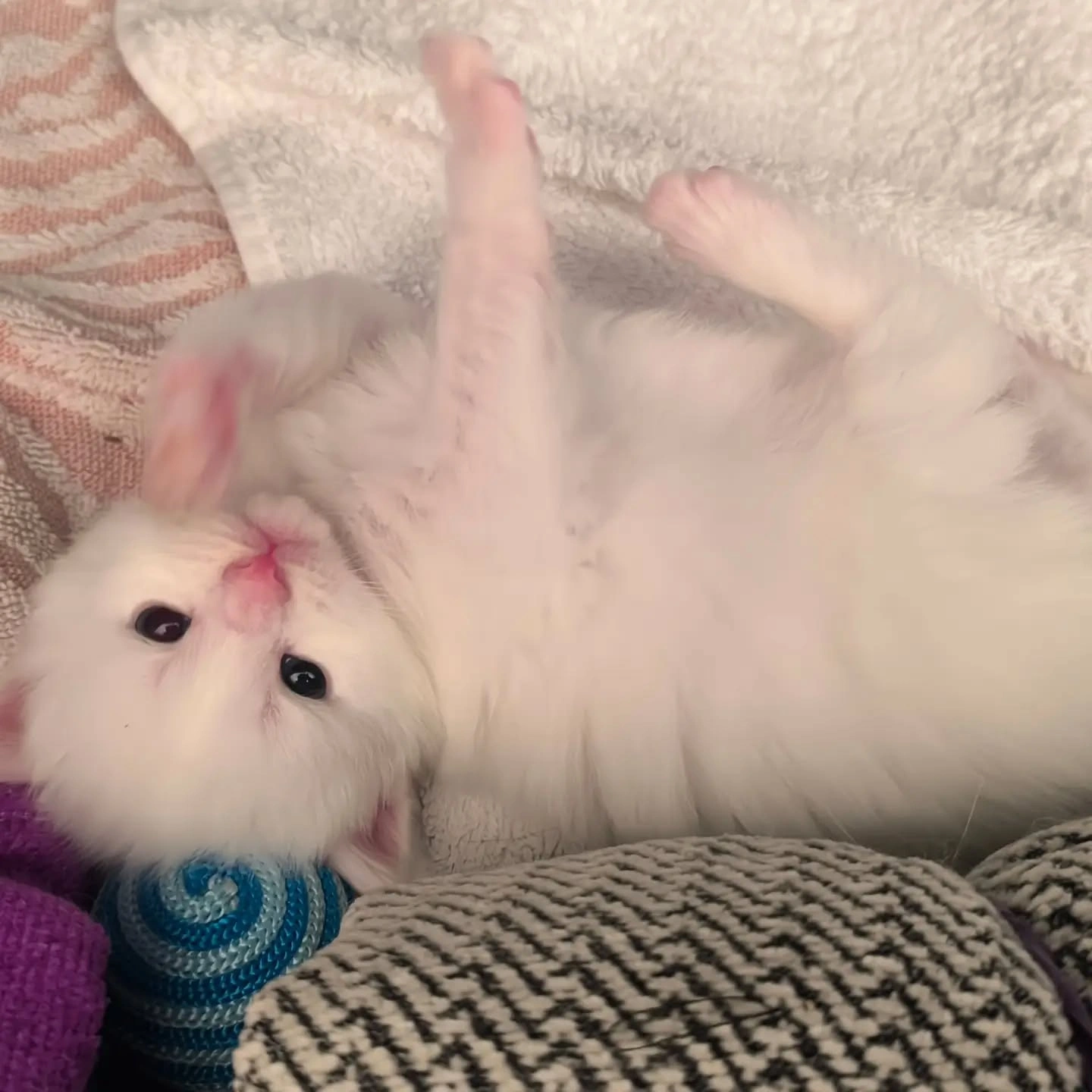
We currently have the most beautiful babies from Aura and Freezie. These babies will be ready to go to their new homes mid-January, 2027.
Taking Your Kitten Home
Preparing for your kitten's arrival...
Preparing for your kitten's arrival home is an exciting time. Early preparation will help things go smoothly and will stand you in good stead to troubleshoot any problems, should they arise. In preparing your environment for your kitten's arrival, you should consider the following questions:
Where will the kitten sleep, eat, and go to the litter tray? Will the kitten be crated overnight or in a contained/safe area?
If you have other pets, how will you manage introductions in a gradual way to keeping things positive and minimise stress for both animals (and for you)?
If you have children, how will you prepare them and let them know what the boundaries are with the young kitten? Setting some ground rules beforehand can be helpful to manage expectations and can also help set up a positive relationship between your kids and your pet.
Diet and Feeding
Our cats and kittens are fed on a mix of raw food and premium commercial dry kibble. This is called 'hybrid feeding' and is a popular choice to provide a nutritious and balanced meal.
Raw Diets
If you intend to feed your cat a raw diet, it's important to understand that feeding muscle meat alone is not sufficient to meet the dietary needs of the cat. Commercial raw food, such as Big Dog BARF Raw Cat Food (the brand we use), is a complete and balanced raw food meal which as well as muscle meat, contains mineral rich offal, calcium-rich bone powder, and other things needed to meet the cat's dietary needs. If you plan to provide a raw food diet without using a commercial brand, please do your research to ensure the diet is completely balanced. Another option is to buy a muscle meat of choice and add a raw meal completer, such as Raw Meow Mix, where all the nutrient quantities are already pre-determined.
Kibble/Dry Food
In addition to Big Dog BARF Raw Cat Food, we also give our kittens Royal Canin Kitten. Kitten Packs contain a voucher for a 2kg bag of Royal Canin Kitten.
Litter
We use Cat Mate Wood Pellet Cat Litter and a dual layer litter tray system. The dual tray system relies on two trays, stacked together, with holes in the top tray and an absorbent pad in the bottom tray. Wood pellet litter disintegrates when it gets wet so when the cat wees, the pellets break up and fall through the holes to the bottom tray. The solids get removed daily and the absorbent pad on the bottom tray soaks up the wee. We have found this system has next to no smell and we get a considerable amount of time out of a fresh tray of pellets.
When choosing a litter tray, remember that your sweet and little kitten will fairly quickly grow into a large cat. Choosing a tray of suitable size will mean you avoid having to buy a new one down the line. The Ezilock Odour Dual Layer Cat Litter System (in XL size) is a good investment, or you can create a DIY dual layer litter tray with a few simple materials.
Council Registration
Your Edora Maine Coon kitten will be microchipped and your details will have already been provided to the microchip registry so that the ownership of the kitten is transferred to you before the kitten comes home.
In addition to this, you will need to register the kitten with your local Council. State and local laws on cat ownership rules vary so make sure you take this important step. It generally involves providing your details and paying a small fee (some but not all Councils).
FAQs
Here are a few of our most frequently asked questions. If there is something not covered here or elsewhere on our website, please reach out to us via email as we are happy to answer your questions.
Our kittens are $3000 ($300 deposit at the start and then the remaining $2700 paid before taking your kitten home).
Your kitten will come:
-twice vaccinated
-desexed with certificate
-wormed and litter trained
-well socialised
-with ANCATS pedigree tracing their lineage
-with 4 weeks of pet insurance with Knose
-with a veterinary Health Certificate
-with a Kitten Contract and Health Guarantee
-with ongoing breeder support including support with training and conditioning as your kitten grows
-with a Kitten Pack including folder with relevant information about your new family member
Yes, we are registered with ANCATS (member number 27801) and our prefix is EDORA. We are bound by the ANCATS Code of Ethics.
Yes, our cats are DNA tested for:
-Hypertrophic Cardiomyopathy (HCM)
-Polycystic Kidney Disease (PKD)
-Progressive Retinal Atrophy
-Pyruvate Kinase Deficiency
-Spinal Muscular Atrophy
Breeding cats get an annual veterinary health check prior to mating to determine if they are in good health for breeding.
Kittens get vet checked at their first and second vaccination appointments, and then a full vet check after desexing and prior to when they leave us for their new homes.
In our Kitten Packs we provide a Veterinary Certificate and a Health Guarantee as well as four weeks of pet insurance.
No, we are a small, ethical and slow-paced cattery centred on high animal welfare standards. We are aware of our time contraints and want to give each of our cats lots of love, time, attention, enrichment and training. For this reason, we will not keep more than four breeding cats at any time.
We prefer to priorities local homes in Tassie as it allows for families to meet their kitten before he/she goes home.
However, if there is an excellent home on offer, we can fly a kitten interstate in some instances. We will not fly a kitten somewhere that requires more than one flight (from Hobart). Flights are at the expense of the buyer, but we can help to make the arrangements.
Get in touch
Please provide your details below along with your message and we'll reply as soon as possible.
Follow us on instagram @edora_maine_coons
How long until our babies are ready to be with their new families?
It won't be long now, hold on just a little bit longer.
We have some kittens from our current litter that are still available. Please reach out for more information.
Links
Here you will find useful links.